
Blog - Industrial Measurement
#0 - Introduction

Follow our post series in the coming weeks, where we’ll outline the most important principles of industrial measurement technology. Topics will include:
#1 - The Architecture of Measurement Systems
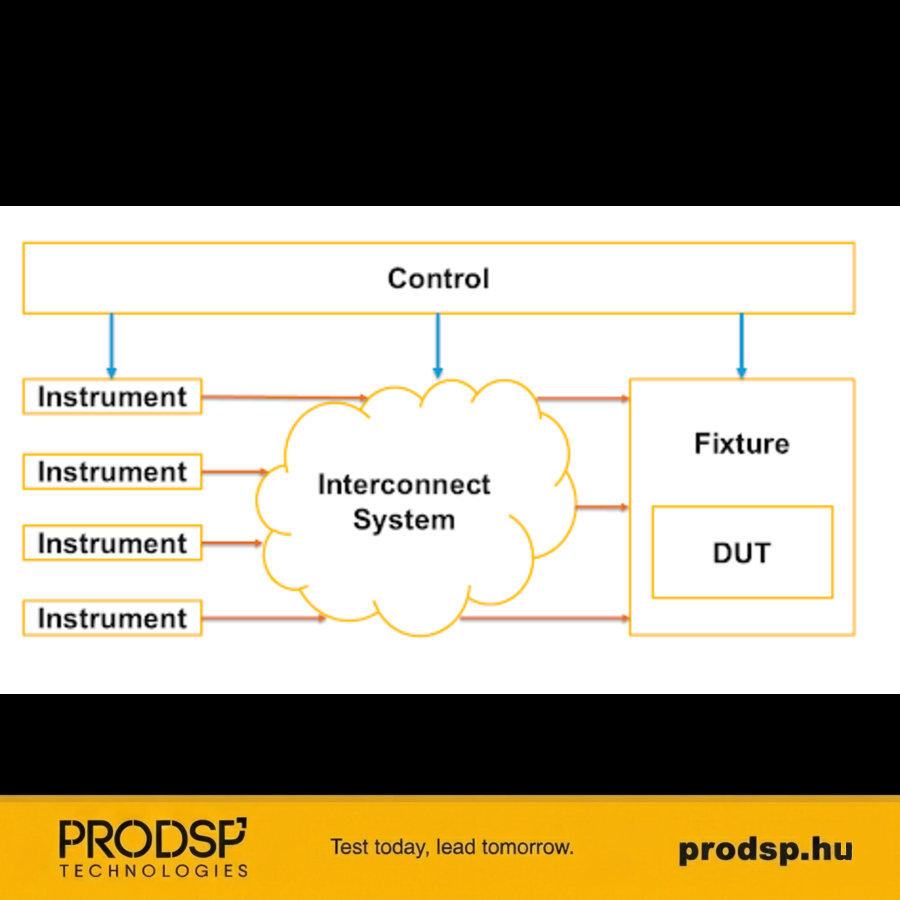
Building an industrial measurement system is not merely about assembling components, but about designing a precision-engineered architecture, where every element of the system has a clearly defined role.
#2 - Characterizing Measurements and Stimuli
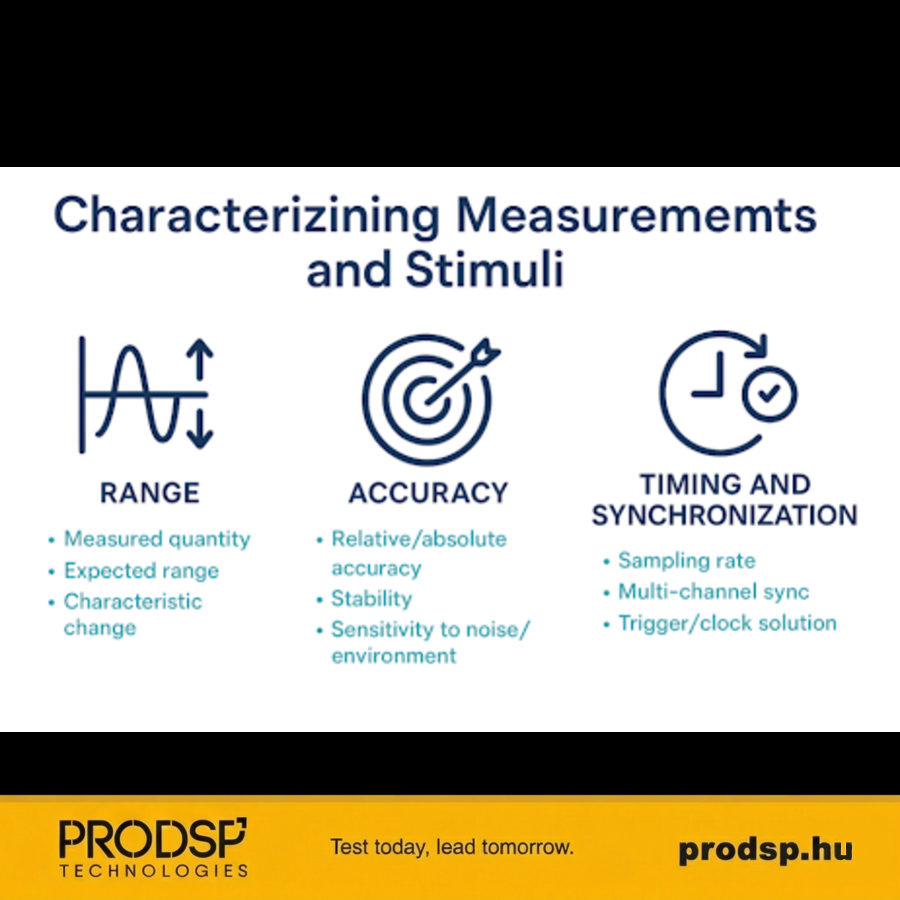
The task of a measurement system is twofold:
🔹 To stimulate the Device Under Test (DUT)
🔹 To measure the resulting physical responses
#3 - DC voltage measurement

Many consider DC voltage measurement a basic task – but in industrial practice, reliability depends on the details.
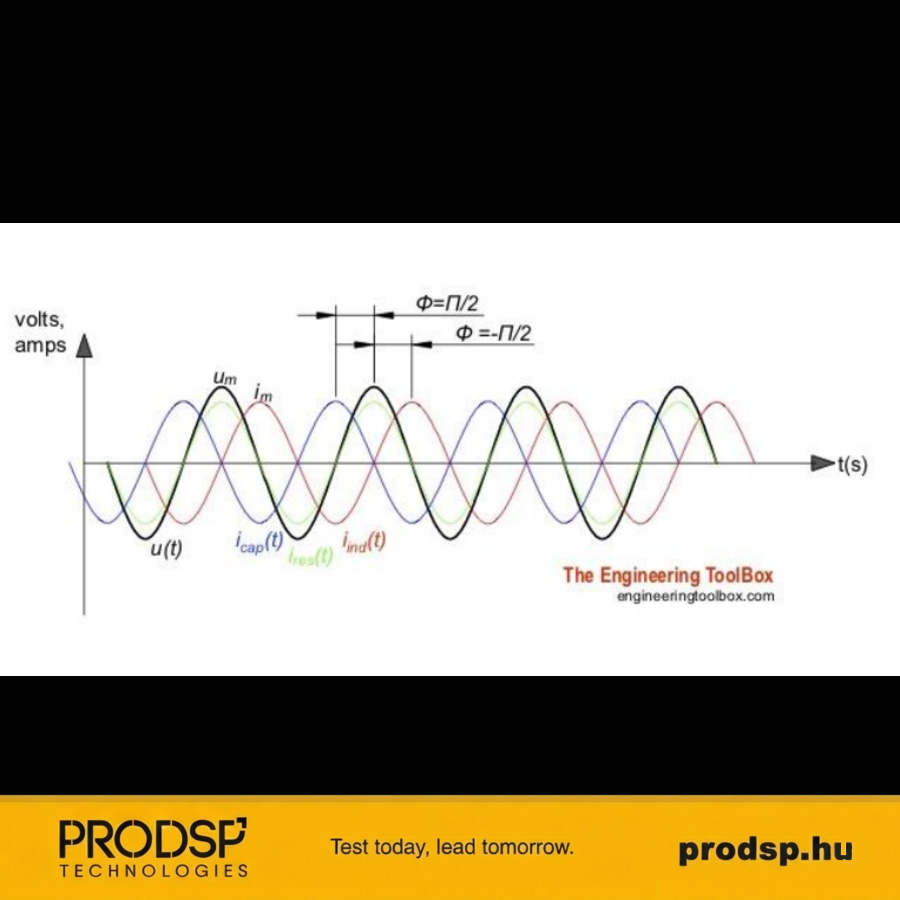
#4 - AC voltage measurement
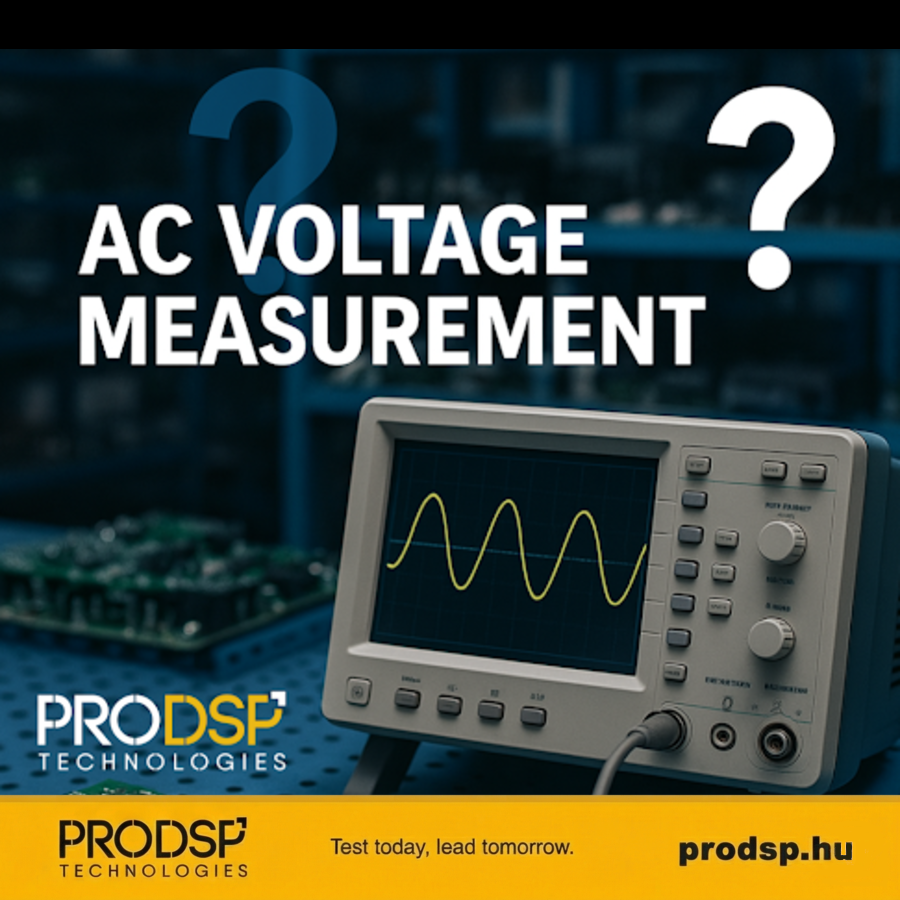
Measuring AC voltage in an industrial environment? These are questions you can't ignore...


#10 - Insulation Resistance Measurement
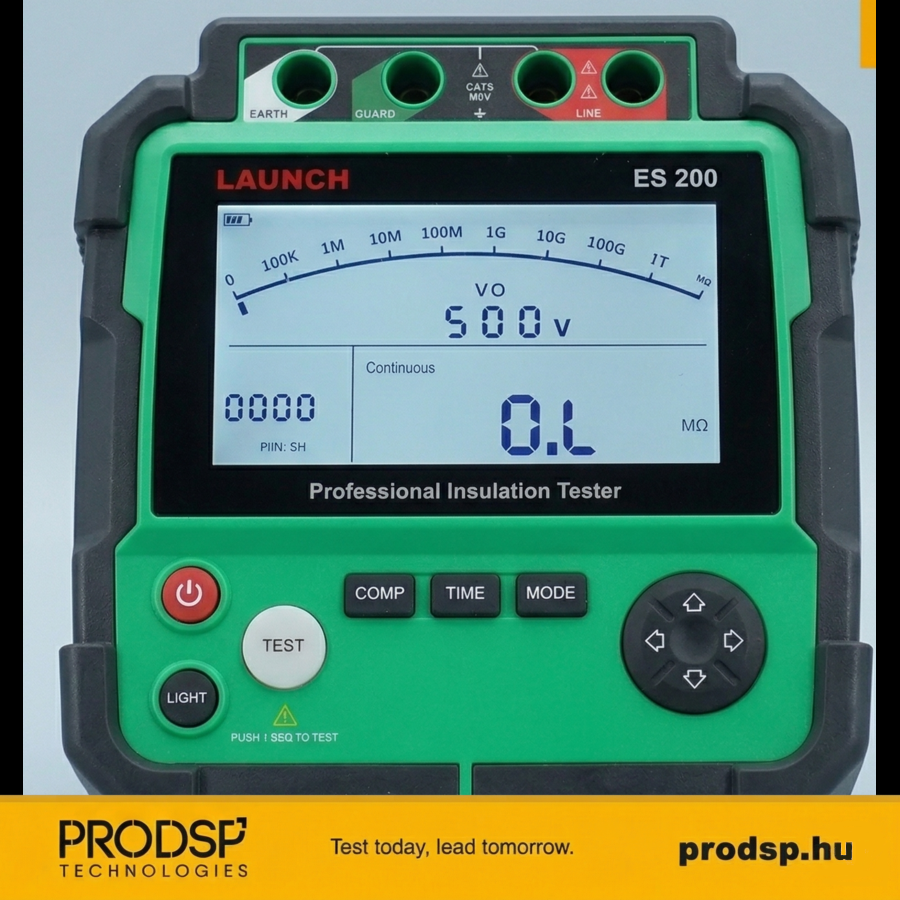
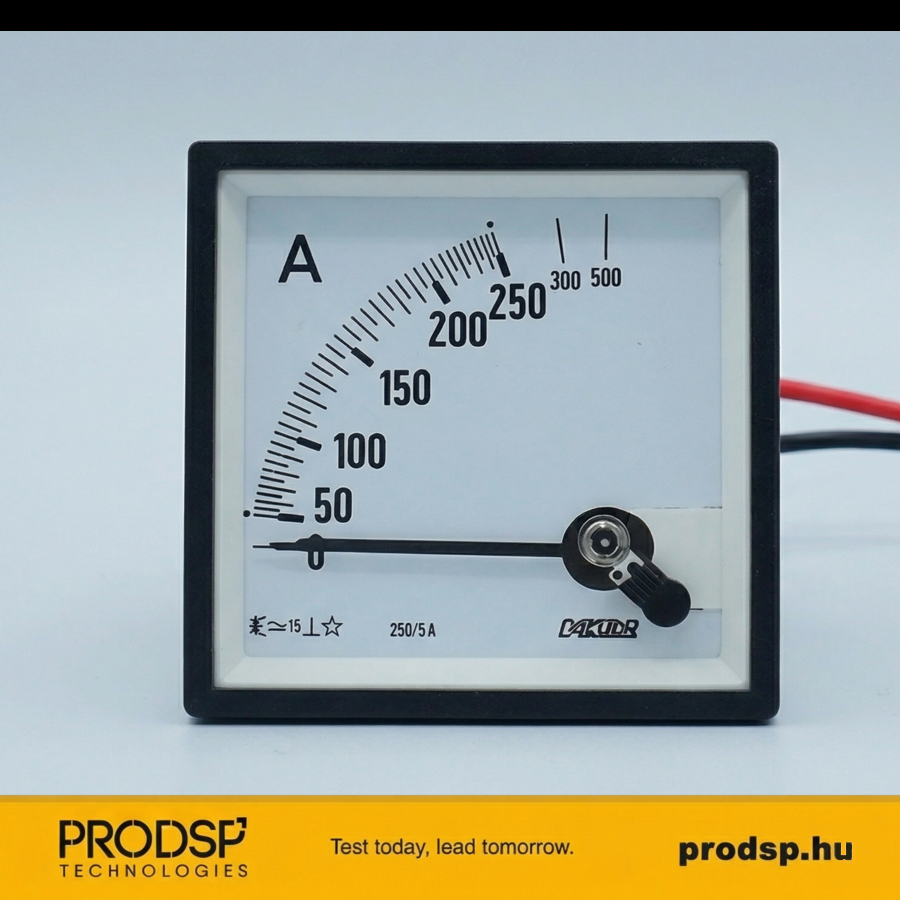
Insulation Measurement, or Resistance in the Gigaohm Range...
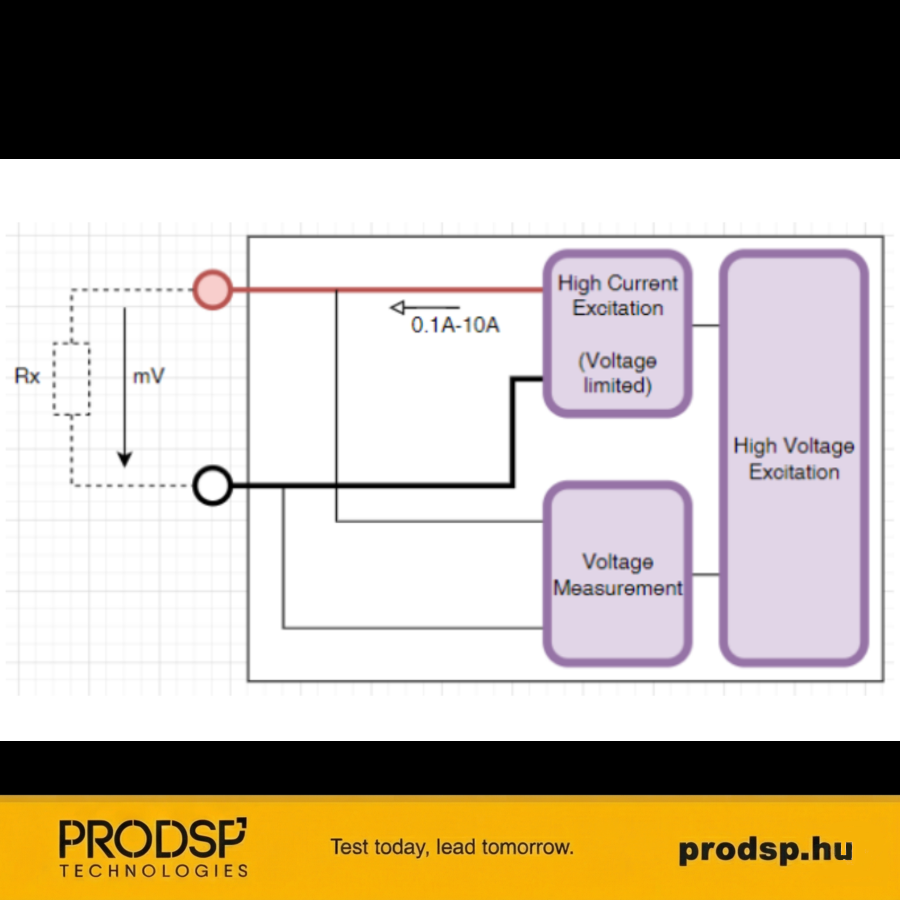
#12 - Capacitance and Inductance Measurement

🔍 Why is it so difficult to accurately measure a capacitor or an inductor?
#13 - Temperature Measurement in Industrial Environments
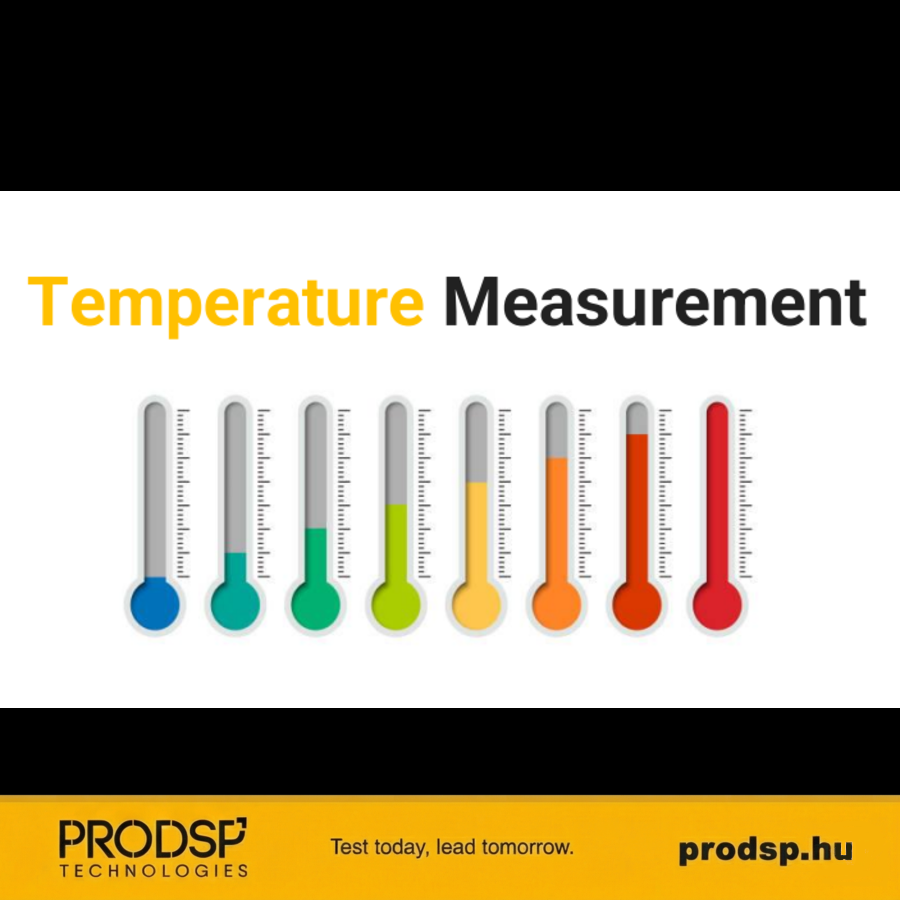
🌡️ Temperature Measurement in Industrial Environments – Which Sensor Should You Choose?
#14 - Position and Speed Measurement

📍 How to measure position and speed in an industrial environment?

#16 - Light intensity and Spectrum Measurements
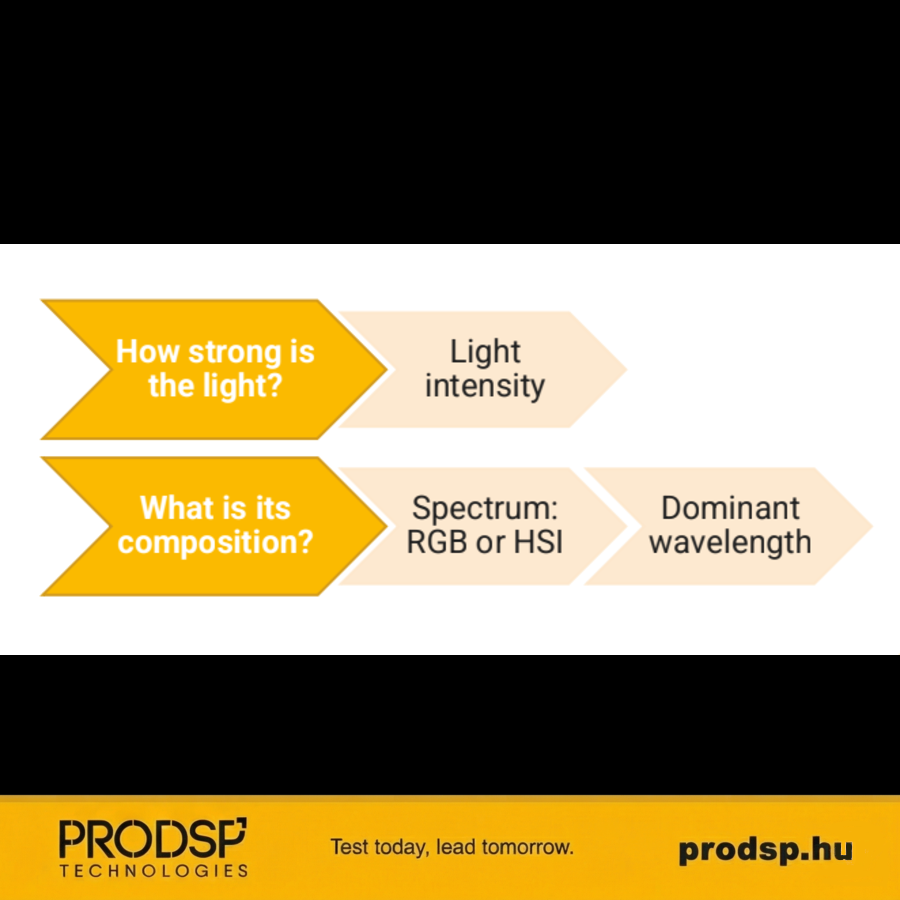
🔦 What and how do we measure in a light source? – Light Intensity and Spectrum

#18 - Geometric Optical Measurements Overview
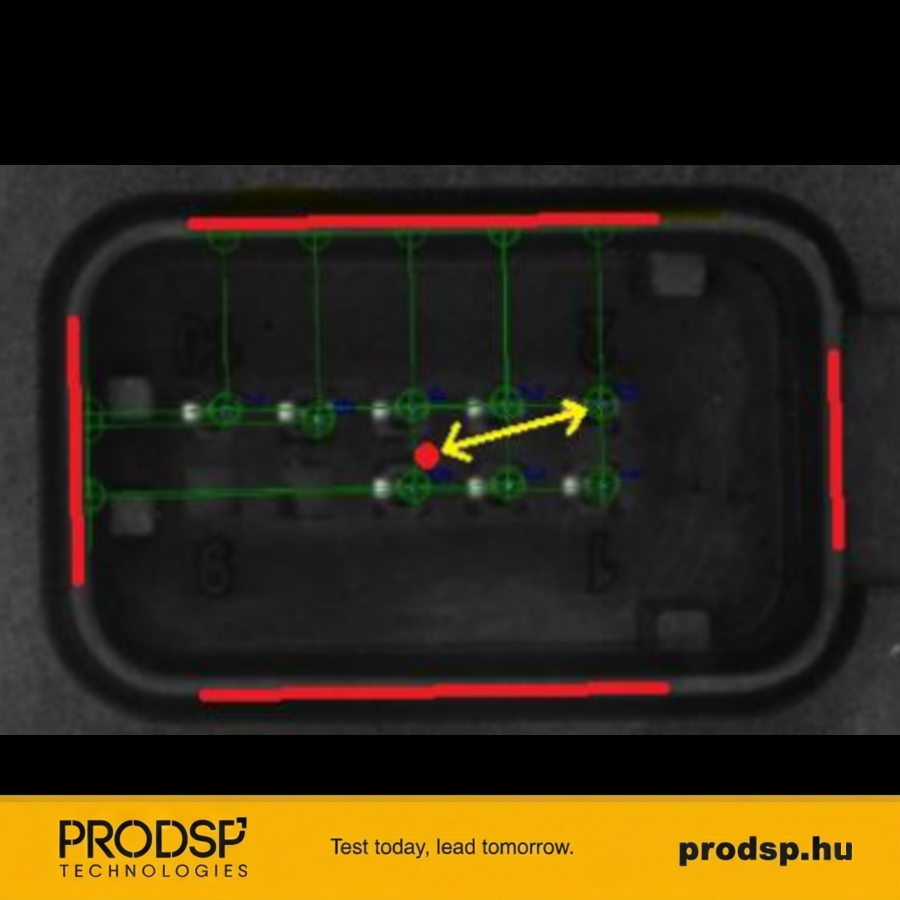
📐 Geometric Optical Measurement Systems – Key Elements and Selection Criteria
#19 - Geometric Measurements - Illumination

🔦 Why is illumination the most important part of an optical measurement system?
#20 - Geometric measurements - Lens

🔍 Lens selection for geometric optical measurement – why is it critical?
#21 - Geometric measurements - Camera
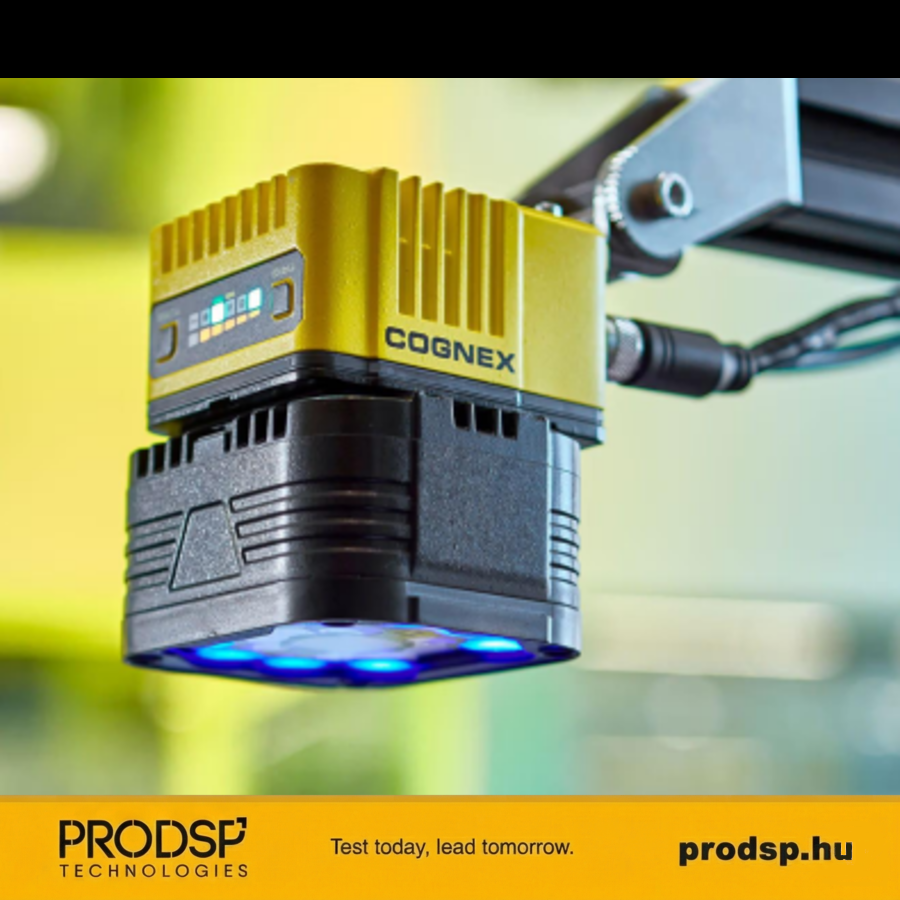
📸 The role of industrial cameras in geometric optical measurements
#22 - Geometric measurements - Calibration
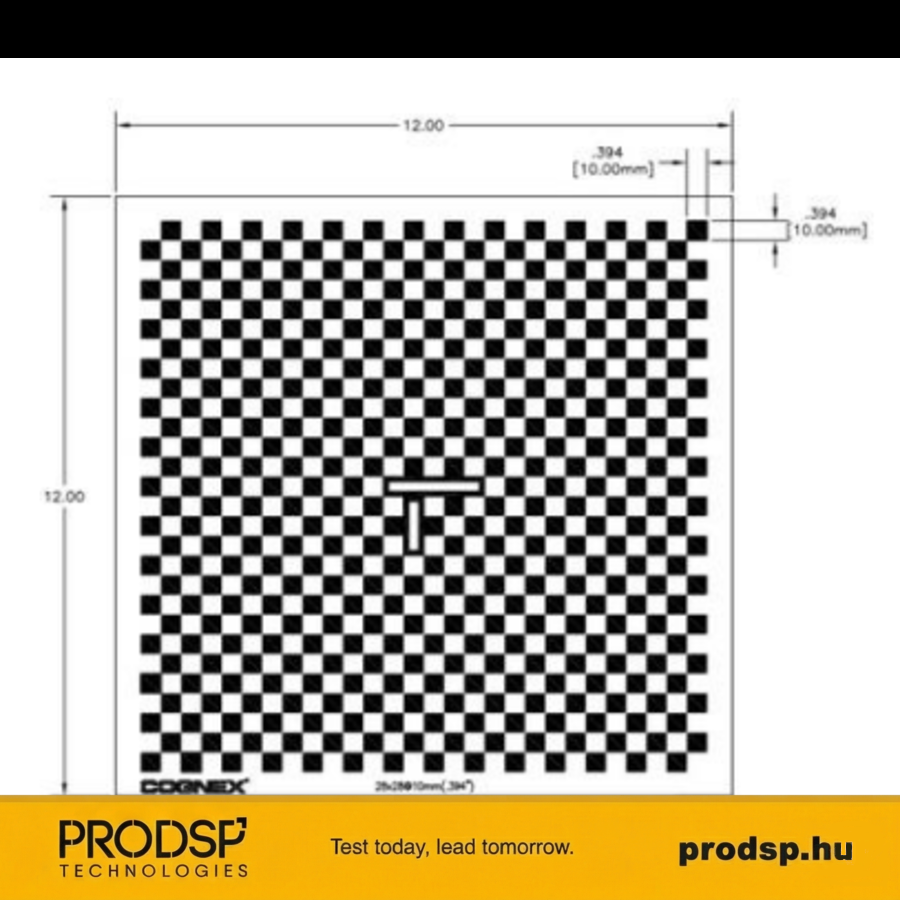
🎯 Why is it impossible to perform reliable geometric measurement without calibration?
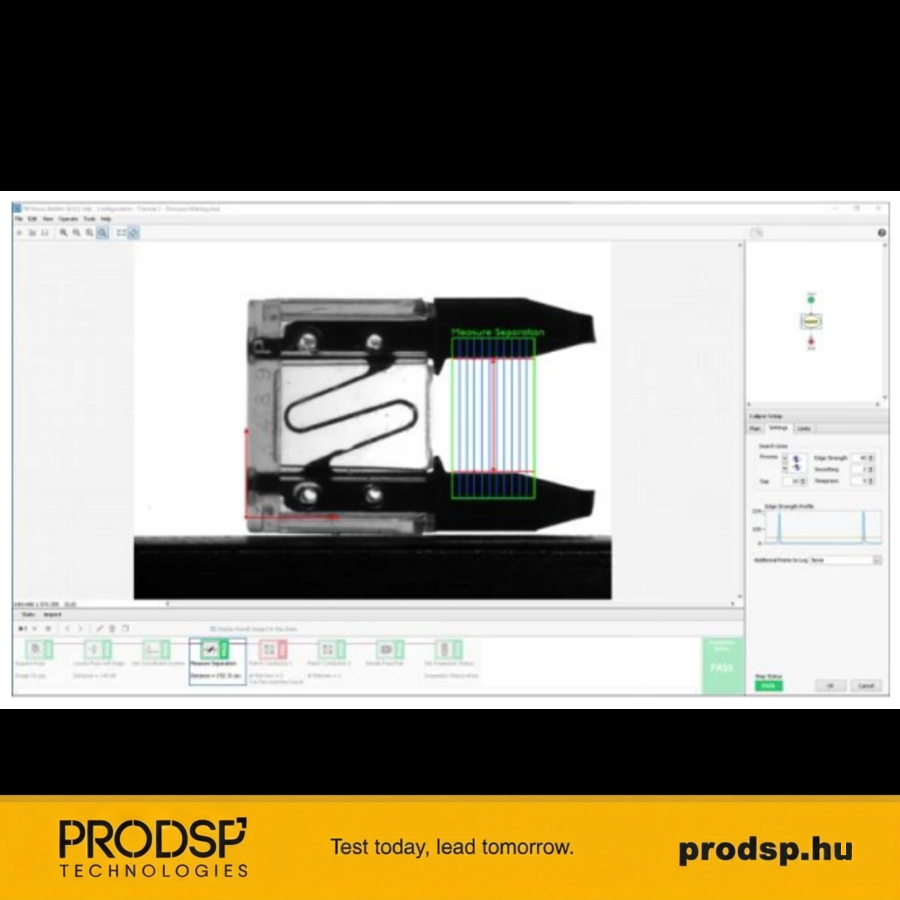
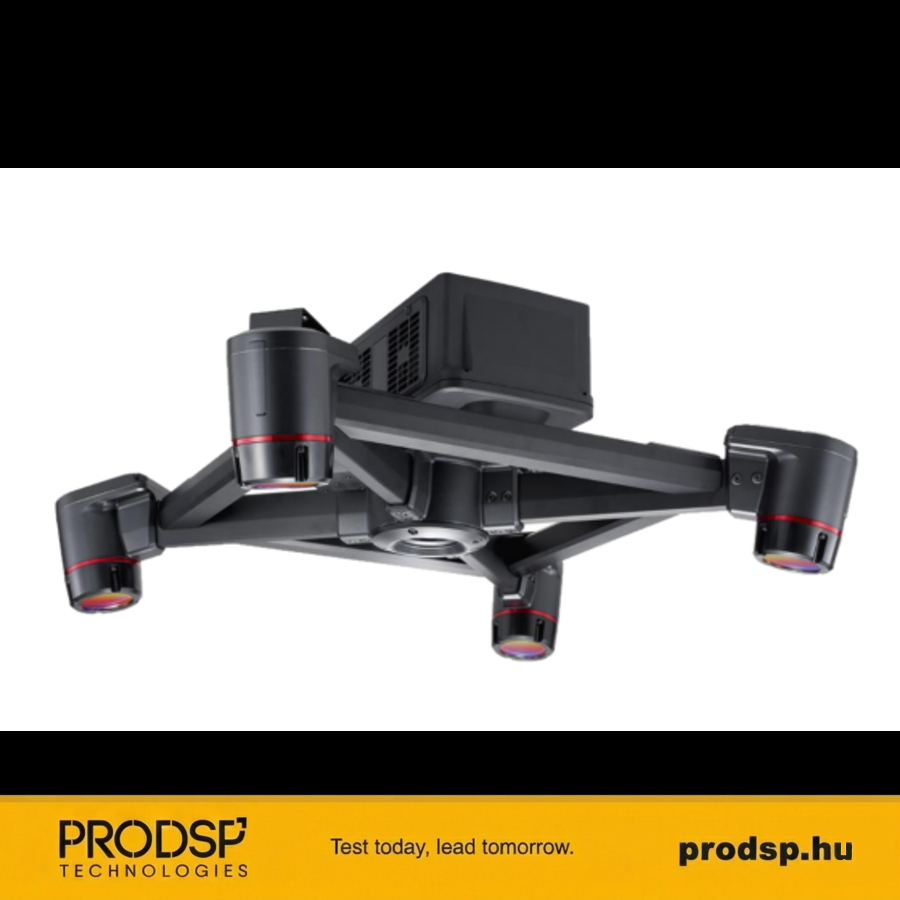
#23 - Geometric measurements - Mounting

🧩 Mounting– the key to repeatability in geometric measurement


#28 - Electrical excitation
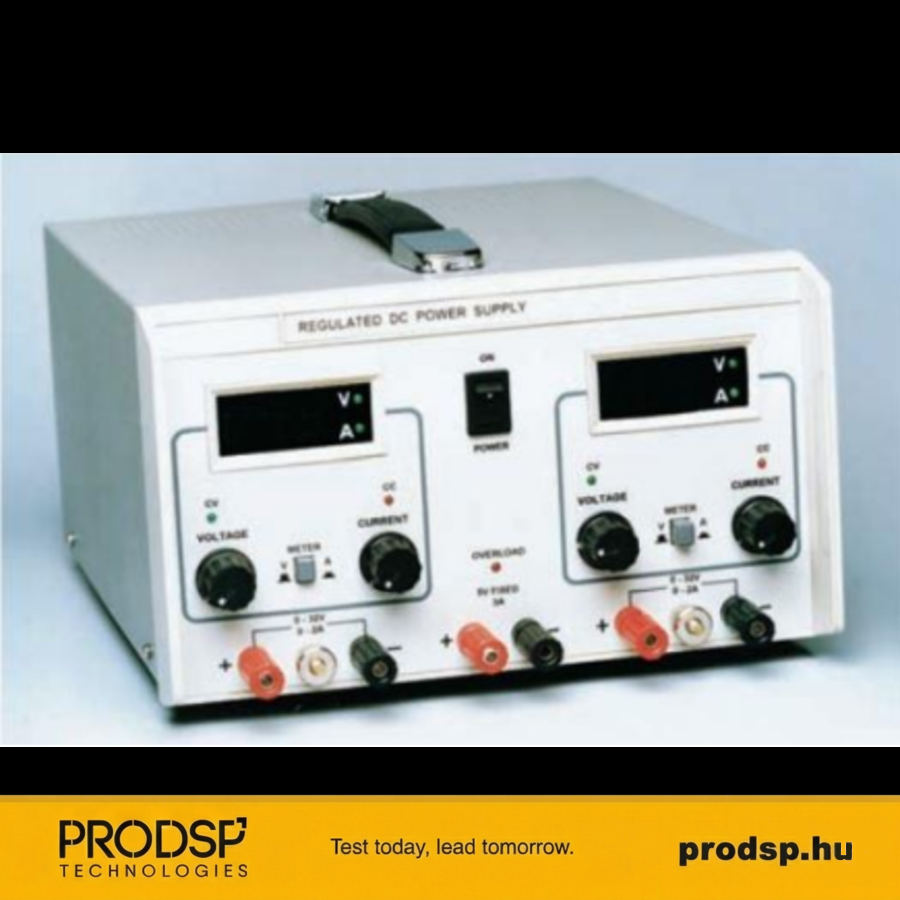
⚡ Electrical excitation and power supplies
One of the fundamental prerequisites of testing is ensuring that...
#29 - Electrical Power Supply

⚡ Electrical Power Supply in Test Systems
To operate products under test, a stable electrical power supply with adequate performance is required...
#30 - DC Voltage Excitation

🔋 DC Voltage Excitation
In many test tasks, there is no need to deliver significant power


#34 - HIPOT – Insulation Resistance Measurement
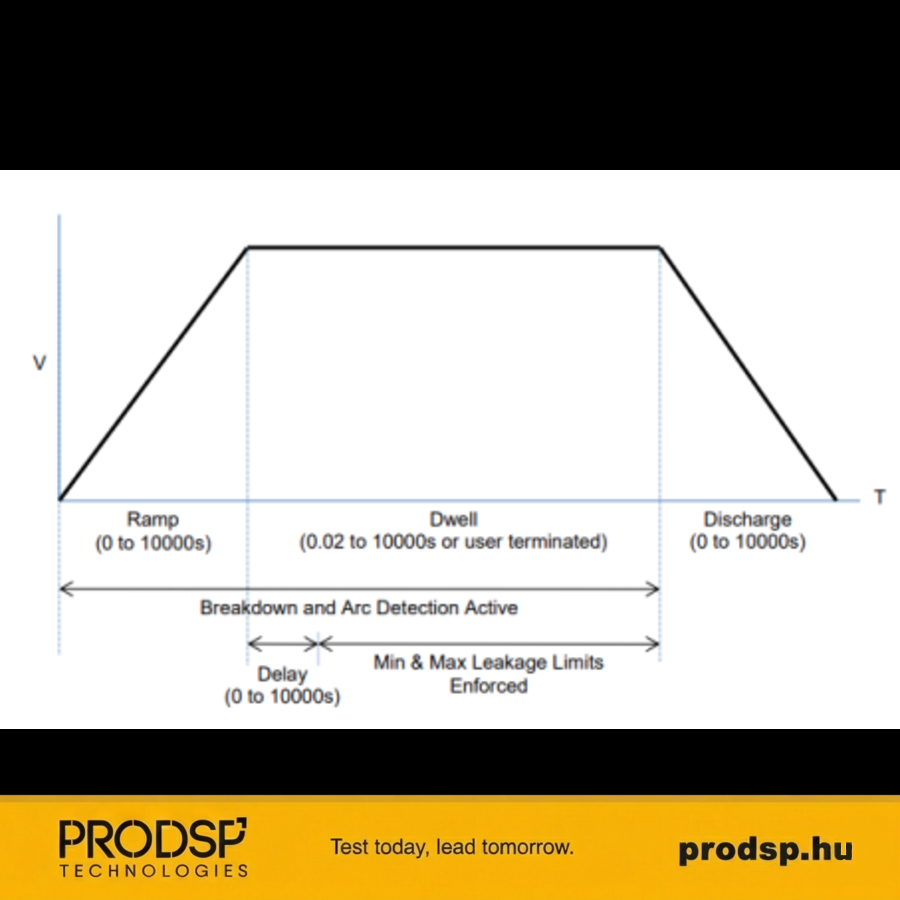
⚡ HIPOT – Insulation Resistance Measurement
The purpose of insulation resistance measurement is to verify the insulation boundaries within a product...
#35 - HIPOT – AC/DC Voltage Withstand Test
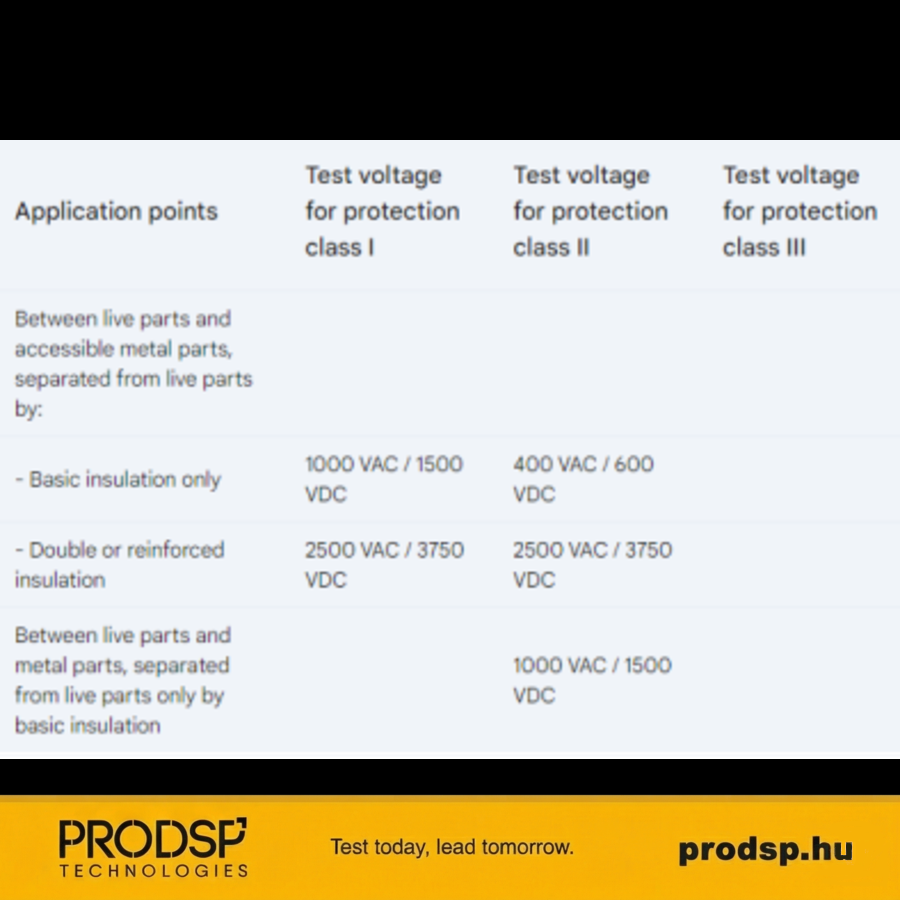
⚡ HIPOT – AC/DC Voltage Withstand Test
During AC/DC voltage withstand tests, the insulation capability of the product is also verified; however...
#36 - HIPOT - DC Breakdown Voltage
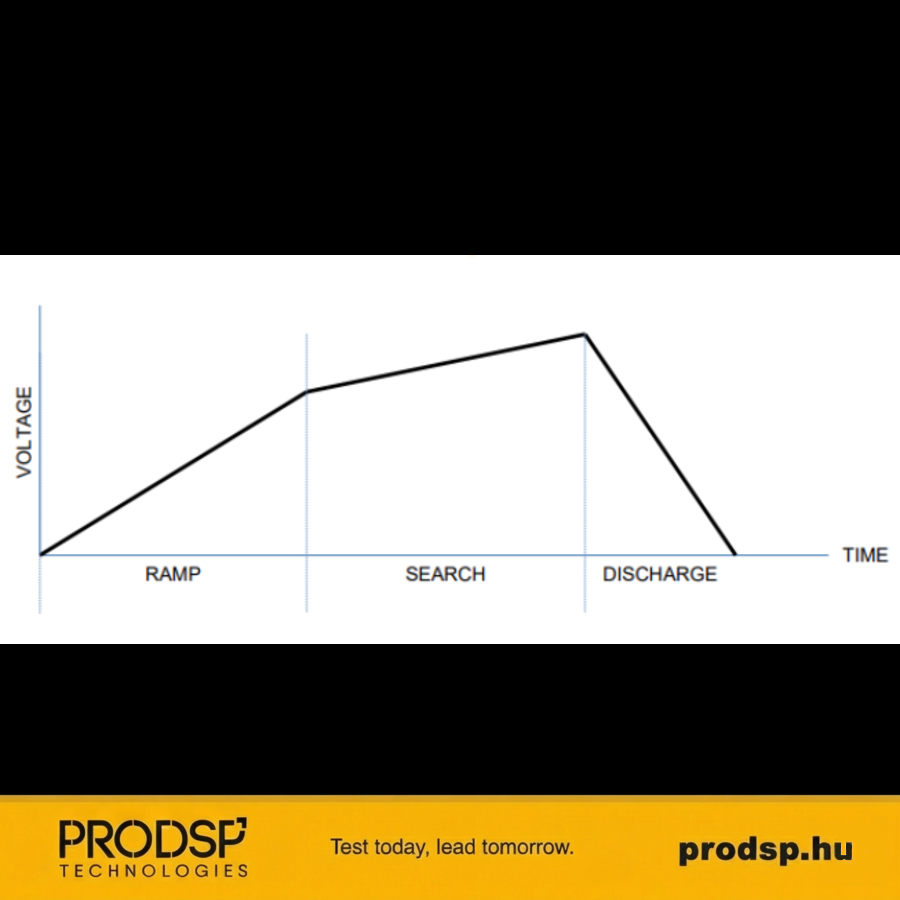
🔌 DC Breakdown Voltage – Measurement of the Breakdown Voltage of Protection Devices
Breakdown voltage measurement is applied to components that ...
#37 - HIPOT Monitoring Functions

⚡ HIPOT Monitoring Functions – Handling Pre-Measurement Edge Cases
Some HIPOT instruments include monitoring and verification functions designed to...
#38 - Firmware Flashing in Manufacturing

🔧 Firmware Flashing in Manufacturing
Microcontrollers on PCBs must be programmed at some stage of the manufacturing process so that...
#39 - CAN communication in industrial testers

🔗 CAN communication in industrial testers
The CAN bus is an extremely robust and noise-tolerant communication protocol, but...
All rights reserved. ProDSP Technologies Zrt. 2022 ©
Website built by Barna Design